

 See My Latest Article on HelloNation
How Do You Start a Thorough Home Cleaning Process?
Starting a thorough home cleaning in Hanover, NH, involves a bit of planning. First, gather supplies such as microfiber cloths, sprays safe for local hard water, mops, and a quality vacuum designed for New England floors. Preparing a caddy for each floor or zone can help reduce trips up and down stairs, which is particularly useful in multi-level homes common in the area.
Create a plan by listing each room and identifying target tasks. Area households often benefit from cleaning room by room in a logical order—typically from the uppermost level downward—to prevent re-soiling freshly cleaned spaces.
What Are Essential Tasks in the Kitchen?
The kitchen, often the busiest room, needs both regular upkeep and deeper, periodic cleaning:
- Countertops: Wipe after every use. For thorough cleaning, clear everything off, use a damp microfiber cloth, and mild detergent. Pay attention to corners and under appliances where crumbs collect.
- Sink and Faucet: Remove any calcium deposits from Hanover’s water. Scrub with a vinegar solution if mineral buildup is present.
- Stovetops and Ovens: Clean above and below burners. For ovens, use heat-resistant pads for debris, and follow appliance manual recommendations for deep cleaning.
- Refrigerator: Every few months, empty shelves, wipe interior surfaces, and check expiration dates. During mud season, this is especially useful to keep out extra moisture.
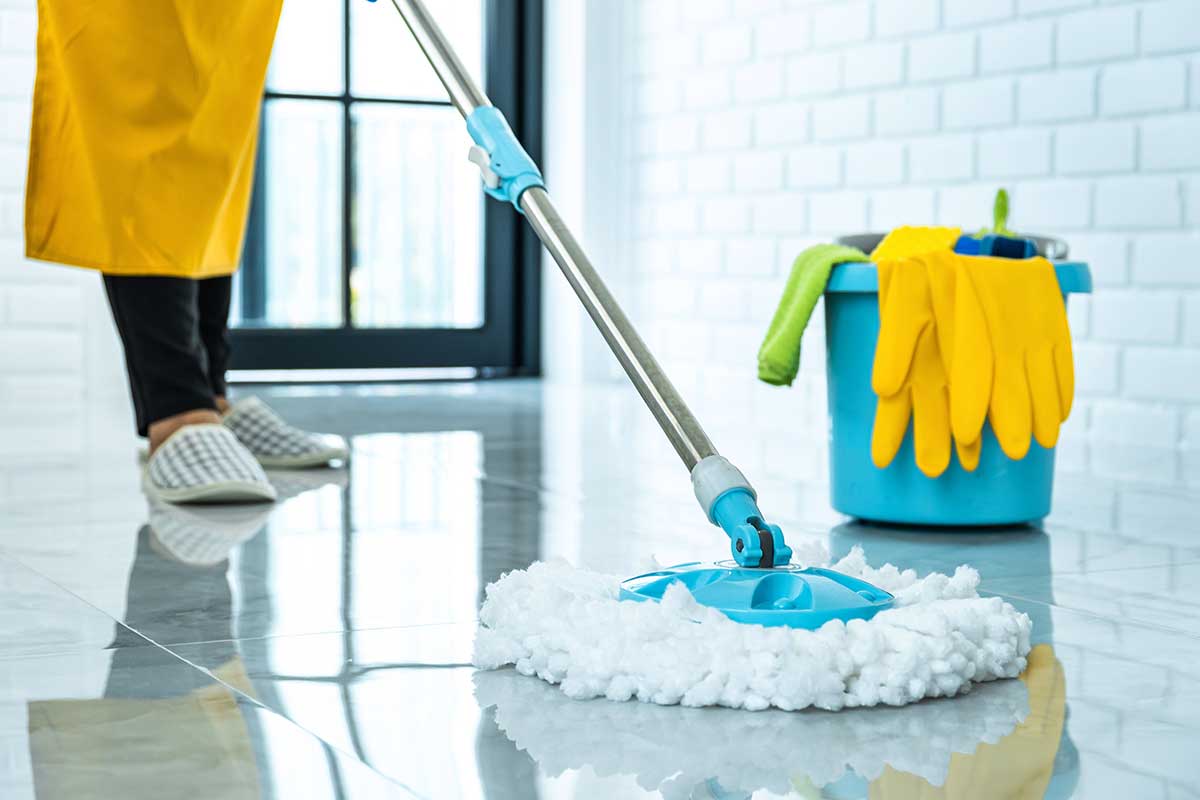
- Floors: Sweep, then mop with a damp (not wet) mop appropriate for the type of floor, avoiding excess water on wood.
Neglecting small appliances and garbage bins is a common oversight. Consider pulling out the fridge to vacuum accumulated dust from coils.
How Should Bathrooms Be Cleaned for Best Hygiene?
Bathrooms require attention to detail, especially due to local humidity variations throughout the year:
- Sinks, Tubs, and Showers: Use a scrub brush or non-abrasive sponge with disinfecting cleaner, paying close attention to grout lines and fixtures.
- Mirrors and Glass: Wipe with a lint-free cloth and glass-safe solution to avoid streaks.
- Toilets: Apply cleaner inside the bowl, scrub under the rim, and disinfect handles and exterior surfaces.
- Floors: Mop with a disinfectant, ensuring to reach behind the toilet and along baseboards.
A frequent misconception is that porous surfaces, like stone, don't need special care, but in Hanover’s climate, mold can develop in grout or caulking if not dried properly after cleaning. Run a vent fan or open a window to accelerate drying.
What Steps Help Keep Living and Family Rooms Healthy?
Living spaces gather dust, pollen, and pet hair. Weekly maintenance preserves air quality and extends furniture life:
- Dusting: Start high with shelves and work downward. Dry microfiber cloths capture more dust than feather dusters, especially with fluctuating seasonal pollen.
- Upholstery and Rugs: Vacuum all sides of cushions and use attachments for crevices. Rotate rugs and vacuum underneath.
- Windows: Clean glass inside and out if accessible, especially after spring pollen or autumn leaves.
- Flooring: For wood floors common in the region, use a minimally damp mop designed for the material. For carpets, a slow vacuum approach reaches deeper debris.
Residents sometimes overlook baseboards, ceiling fans, and electronics, all of which harbor dust and can affect indoor air quality.
What Strategies Work for Cleaning Bedrooms?
Bedrooms in the community serve both as personal retreats and practical spaces for storage, requiring an organized approach:
- Bedding: Wash sheets and pillowcases weekly; comforters and blankets much less often, unless allergies are a concern. Vacuum mattresses at least twice a year.
- Surfaces and Furniture: Dust nightstands, lamps, headboards, and closet shelves.
- Closets: Periodically sort clothing and items, dust shelves, and vacuum floors. Changing wardrobes seasonally can keep clutter down.
- Flooring: Finish with a thorough vacuum or mop, paying attention to under the bed.
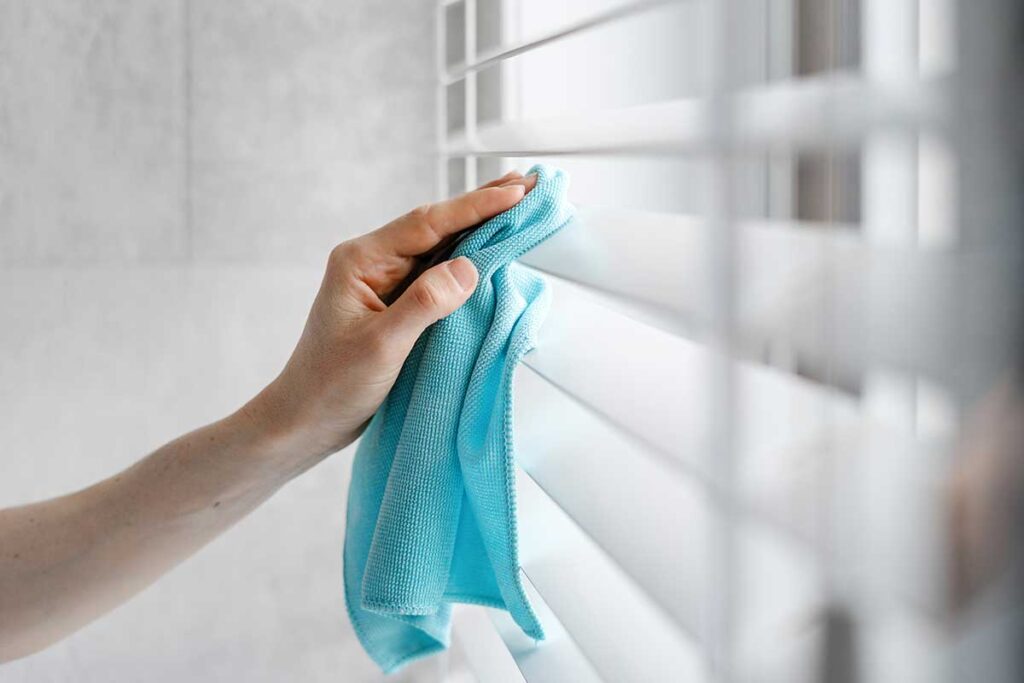
A common mistake is ignoring curtains or shades, which can collect dust and allergens—use a vacuum attachment or launder according to care labels.
How Can Entryways and Mudrooms Stay Cleaner During Mud Season?
Entryways and mudrooms act as barriers between the outdoors and living spaces, especially during mud season:
- Floor Mats: Regularly shake out or wash all mats. Boot trays help contain dirt and moisture.
- Floors: Sweep daily and mop as needed, focusing on corners where grit can accumulate.
- Hooks and Storage: Wipe down hooks, benches, and cubbies, as damp coats and bags may leave residue.
Seasonal switching of gear allows for better use of space and can prevent clutter from building up in these high-traffic areas.
What Are the Best Practices for Cleaning Attics and Basements?
Attics and basements in the area can serve as storage or living spaces but are also prone to dampness and dust:
- Declutter: Remove unused items and store belongings in labeled, sealed bins to deter pests and mold.
- Surfaces: Dust all exposed beams, ductwork, and windowsills.
- Floors: Sweep or vacuum, using a wet/dry vacuum if necessary in unfinished spaces.
- Inspect: Check for musty odors or spots that signal water issues. Address small moisture problems before they become serious.
A misconception is that attics and basements stay clean if not used frequently, but infrequent visits often mask the slow buildup of dust or unwanted pests.
How Often Should Each Room Be Cleaned?
The frequency depends on room use, family size, and seasonal impacts:
- Kitchens and Bathrooms: Daily wipe-downs, weekly deep cleaning.
- Living Rooms, Bedrooms, Entryways: Weekly to biweekly, with deeper tasks monthly or seasonally.
- Attics and Basements: Biannual checks and cleaning, more often if used regularly.
Seasonal changes—especially spring mud or autumn leaves—may require adjustments, with added attention to entry points and windows due to Hanover’s climate patterns.