
 See My Latest Article on HelloNation
Why Does Pet Hair Stick to Carpets and Furniture?
Pet hair is naturally clingy due to static electricity and the texture of household materials. In Hanover, NH, where colder weather often means heating systems are running for much of the year, static buildup can be even stronger. This makes it common for pet hair to stubbornly adhere to carpets, couches, and upholstered chairs. Knowing why hair gets stuck helps in choosing removal methods that truly work in local homes.
What Tools Work Best for Managing Pet Hair in the Home?
Effective pet hair removal relies on using the right tools and techniques for each surface. For area residents, common household items are often very effective:
- A vacuum cleaner with a high-suction setting and brush roll is critical for carpets. Models with HEPA filtration are also helpful in homes where allergies are a concern.
- Rubber gloves can pick up hair from upholstery and carpets by creating friction. Wetting gloves slightly before rubbing them across fabrics works particularly well.
- Lint rollers, especially those with wide adhesive surfaces, are useful for spot cleaning couches and chair cushions.
- Squeegees with rubber edges can be surprisingly effective for drawing hair out of low-pile carpets and stairs.
- For hard-to-reach corners or thick carpet, a damp sponge or microfiber cloth provides a simple, safe solution.
Avoid using overly stiff brushes, which can damage delicate upholstery or older carpet fibers common in some Hanover homes.
How Can Residents Reduce Pet Hair Buildup Day to Day?
While removal is important, reducing the problem at the source saves time. Seasonal changes, like spring shedding or dry winter air, can lead to more hair on surfaces in Hanover households. Simple preventative habits include:
- Regularly brushing pets, especially during high-shedding seasons, using brushes suited to each type of coat.
- Washing pet bedding and soft toys weekly to prevent hair from being redistributed.
- Covering high-use furniture with washable throws that can be shaken out or laundered easily.
- Encouraging pets to rest in designated areas, then focusing cleaning efforts there.
Maintaining a humid indoor environment—something local residents tend to do during the winter—also helps decrease static and hair accumulation.
Are There Special Vacuuming Strategies That Help with Pet Hair?
Standard vacuuming methods do not always remove embedded pet hair, especially from dense or long-pile carpets. For best results:
- Vacuum slowly and in multiple directions. This agitates carpet fibers and helps pull up hair trapped beneath the surface.
- Use the vacuum’s crevice tool to access corners and edges where hair collects.
- Empty vacuum bags or bins frequently to prevent clogs and preserve suction.
- For upholstery, use tailor-made vacuum attachments labeled for pet hair or fabric surfaces.
Some area households supplement vacuuming with periodic deep cleaning, such as using a carpet rake before vacuuming to loosen stubborn hair.
What About Removing Pet Hair from Furniture and Upholstery?
Furniture presents its own challenges, as hair clings to woven fabrics, cushions, and pillows. Rubbing upholstery with slightly damp rubber gloves or a microfiber cloth will ball up hair for easy removal. For larger furniture pieces:
- Use a handheld vacuum with an upholstery setting for surface and deep hair collection.
- Perform regular “pet hair checks” of popular napping places, lifting and shaking removable cushions or pillows outdoors if possible.
- On fabric that is delicate or vintage, test any dampened tool in a small, inconspicuous area before widespread use to avoid water spots.
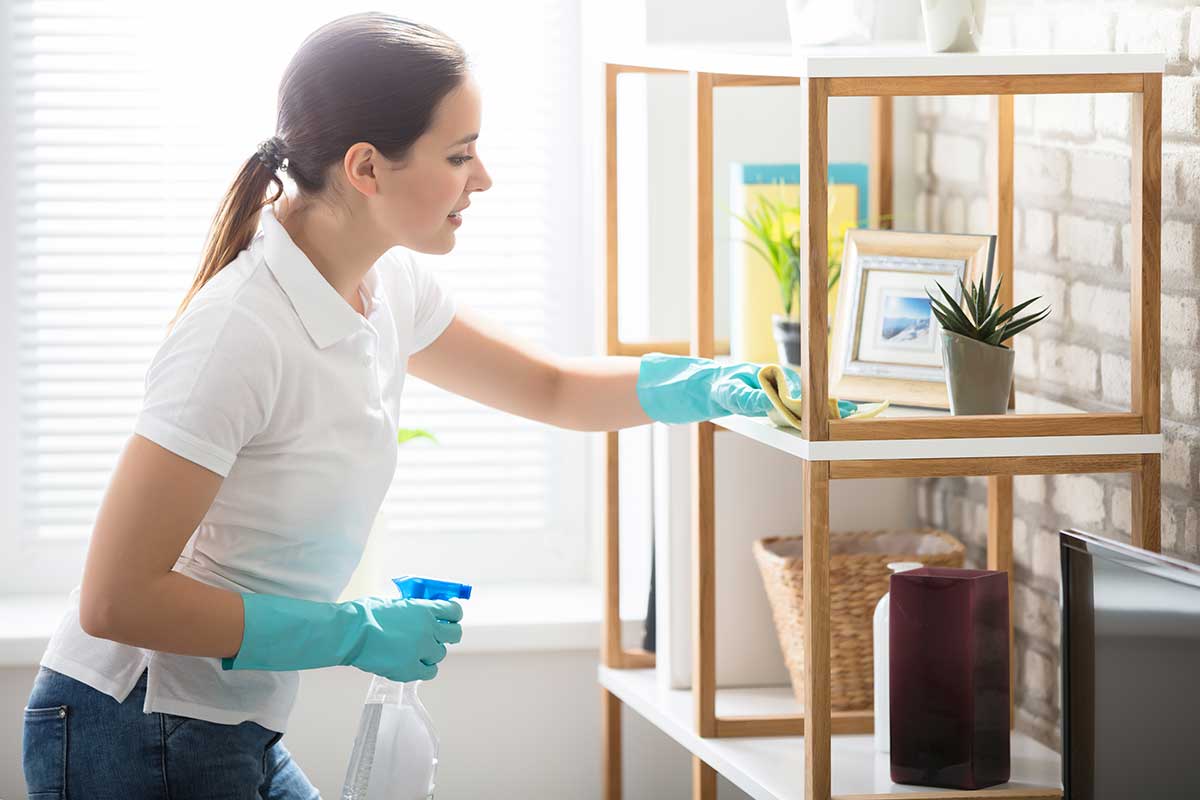
Leather and faux leather can often be wiped clean with a soft, dry cloth or lightly dampened paper towel.
Is Washing or Steam Cleaning Necessary to Control Odor and Residue?
Pet hair isn’t just a visual concern. Excess hair can hold odors and allergens. In Hanover’s climate, with windows closed much of the year, indoor air quality can quickly decline if hair and dander accumulate.
- Machine-wash removable couch and pillow covers regularly according to care instructions.
- Rent or use a home steam cleaner on carpets and upholstery every few months for a deeper clean. Steam helps loosen embedded hair, neutralize odors, and control dust mites that can trigger allergies.
- Always allow surfaces to dry thoroughly to prevent mold or mildew in the humid summer months.
For rugs or carpets that cannot be machine-washed, periodic cleaning with a vacuum followed by a damp microfiber cloth or sponge helps keep them fresh.
What Common Mistakes Should Be Avoided When Dealing with Pet Hair?
Several mistaken approaches can make pet hair harder to manage:
- Overwetting carpets or upholstery, which risks mildew—especially detrimental during Hanover’s damp spring and fall.
- Using hair removal products or sprays not intended for pet hair, which can leave residues or damage fabric.
- Ignoring air vents, baseboard heaters, or under-furniture areas, where hair tends to drift and accumulate due to airflow.
- Rushing through cleaning routines; thoroughness, not frequency alone, is what removes stubborn pet hair.
How Does Hanover’s Climate Affect Pet Hair Challenges and Solutions?
In the city, seasonal changes in temperature and humidity influence the effectiveness of different cleaning methods. Winters bring dry air and high static, intensifying hair’s grip on surfaces, while spring and fall mean increased shedding from local pets. Humid summers can make wet cleaning take longer to dry, so adjusting drying time and ventilation becomes necessary.
Awareness of Hanover’s climate patterns helps set realistic expectations and informs when and how often to use certain cleaning strategies, from increased vacuuming during high-shed periods to more frequent laundering of slipcovers.