

 See My Latest Article on HelloNation
Why Does Cleaning Order Matter for Hanover, NH Households?
Starting your cleaning routine in the right order saves time, reduces repeat work, and helps your home stay fresher longer—especially in a climate like Hanover, NH, where seasonal debris, pollen, and rapidly changing conditions can add extra challenges. Many residents wonder if there's a "right" sequence. The answer: Yes. Following a logical, top-to-bottom, room-by-room strategy prevents dust and dirt from falling onto already-cleaned surfaces and keeps every effort purposeful.
What Is the Most Efficient Way to Clean a Home from Top to Bottom?
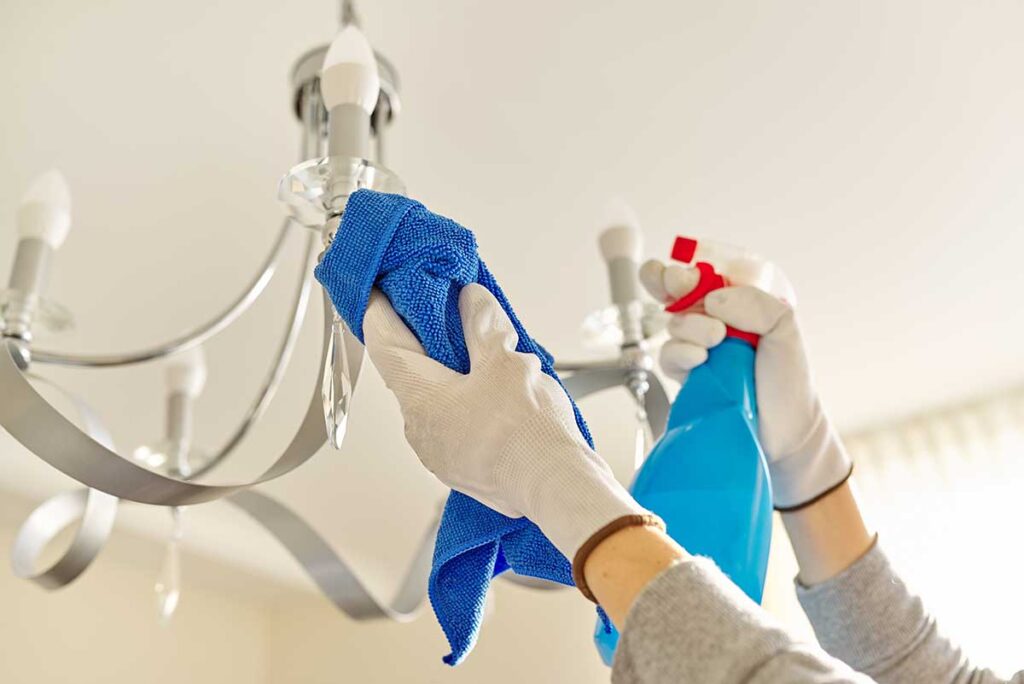
Working from the highest surfaces downwards is universally recommended. Begin with ceilings, light fixtures, and shelves, then move through furniture, and finish with the floors. This method ensures that any dust or debris dislodged from above doesn’t undo your work below. In multi-story homes, it also makes sense to start on upper levels and work your way down.
Example Sequence:
- Dust ceiling corners and light fixtures first.
- Wipe down shelves, picture frames, and higher furniture next.
- Clean counters and table surfaces.
- Handle baseboards, lower furniture, and then vacuum or mop floors last.
Many Hanover homes feature mudrooms or entryways due to the muddy spring and snowy winter seasons. Save these for last to avoid tracking dirt into newly cleaned spaces.
Should Cleaning Be Done by Room or Task?
Both approaches have pros and cons, but for most area households, cleaning room by room is more manageable and less disruptive. Focusing on one room at a time allows you to see quick progress and keeps supplies organized. Larger homes or deep-cleaning projects might benefit from a task-based approach, where you dust all rooms first, then vacuum everywhere, and so on.
When Room-by-Room Makes Sense:
- Homes with young children or pets that move around frequently.
- Smaller apartments or houses where finishing a single room provides a sense of accomplishment.
When Task-by-Task Works Well:
- Deep seasonal cleaning (e.g., preparing for Hanover’s mud season or after a long winter).
- Open floor plans where rooms flow into one another.
What Room Should Be Cleaned First?
Generally, less-used rooms are a logical starting point. For example, in the city’s typical colonial or Cape-style houses, bedrooms or formal living rooms get less daily traffic and are less likely to be re-soiled during the rest of the cleaning process. Kitchens and bathrooms—where cleaning products and water may be needed repeatedly—are best left toward the end, so you don’t track residue elsewhere.
Sample Room Order:
1. Spare bedrooms, offices, or rarely used spaces.
2. Living and family rooms.
3. Dining areas.
4. Main bedrooms.
5. Bathrooms.
6. Kitchen.
7. Entryways or mudrooms.
By working from “cleanest to dirtiest,” you minimize the risk of carrying dirt to rooms you’ve already finished.
Are There Common Mistakes That Waste Time?
Yes. The most frequent missteps local residents report are:
- Cleaning floors before dusting or wiping surfaces above, meaning dust falls onto freshly cleaned areas.
- Jumping randomly between rooms, which prolongs the process and increases fatigue.
- Leaving entryways or mudrooms until early in the process—this often leads to trails of dirt in just-cleaned rooms, especially in seasons with slush or mud.

Sticking to a methodical sequence avoids having to redo work, a key benefit for busy Hanover households.
How Can Seasonal Factors in Hanover Affect Cleaning Order?
Area residents face additional cleaning challenges with each season. In fall, leaves and outdoor debris tend to accumulate indoors, while winter brings salt, sand, and melting snow. Springtime mud and pollen are persistent issues. Adjust the order by protecting entryways and using mats, shoe racks, or designated areas for boots before starting inside work.
After a snowy day, for example, wait until all family members are home for the evening before tackling entryway cleaning, as new messes accumulate all day.
What Tools and Supplies Should Be On Hand Before Starting?
Gathering materials ahead reduces wasted trips. For the local humidity and winter heating cycles in Hanover, use microfiber cloths to better trap dust, a vacuum equipped for both hardwood and area rugs, and a gentle all-purpose cleaner that won’t leave residues that attract more dust when rooms are closed up in winter.
Checklist for most homes in the city:
- Microfiber dusters and cleaning cloths
- Multi-surface all-purpose cleaner
- Mop and bucket (consider a quick-dry option for lower winter humidity)
- Vacuum with HEPA filter for managing local pollen or pet dander
- Broom and dustpan, especially for entryways
What’s the Best Way to Clean Without Getting Overwhelmed?
Breaking the work into manageable sections is key, especially in the larger homes common in this area, where a full deep clean can be a major project. Try setting a timer for small bursts, focusing on one room at a time, or splitting tasks among household members. Prioritize high-traffic areas when time is short; living rooms, kitchens, and entryways see the most use and need refreshes most often.
Avoid overextending—frequent short sessions prevent burnout and keep homes in the city more consistently tidy, rather than waiting for messes to pile up.
How Can Local Households Maintain an Efficient Routine After a Deep Clean?
After an initial deep clean, quick daily or weekly touch-ups maintain most of the effort. Seasonal refreshes—before snow arrives or after leaf fall—target areas that see the most mess. In Hanover's climate, keeping windowsills, floors, and entryways on a frequent schedule is particularly rewarding, as these areas collect outdoor debris and allergens quickly.
Residents often find that maintaining a predictable routine saves time in the long run and adapts well to changes in work-from-home schedules, common in the area.