

 See My Latest Article on HelloNation
What Is Regular Cleaning?
Regular cleaning encompasses the routine household tasks that keep living spaces tidy and generally hygienic. In Hanover, NH, most area households include these tasks in their weekly schedules. Regular cleaning may look a bit different depending on the size and layout of a home, but its essential purpose is consistency and maintenance.
Typically, regular cleaning involves:
- Dusting visible surfaces
- Sweeping, vacuuming, or mopping floors
- Wiping down kitchen counters and sinks
- Cleaning bathroom fixtures like sinks, toilets, and mirrors
- Taking out the trash
- Tidying up clutter
For many residents, these chores are manageable on a DIY basis and help prevent the buildup of dirt and grime in between more thorough efforts.
What Does Deep Cleaning Include?
Deep cleaning goes further than typical upkeep, targeting areas often missed during weekly tidy-ups. This comprehensive process aims to remove accumulated dust, allergens, and grime—especially from hard-to-reach or neglected spots.
In Hanover’s homes, a deep clean may cover:
- Cleaning behind large appliances (refrigerators, stoves)
- Washing walls, baseboards, and doors
- Scrubbing tile grout and bathroom corners
- Dusting higher surfaces like ceiling fans, lighting fixtures, and vents
- Shampooing carpets and upholstery
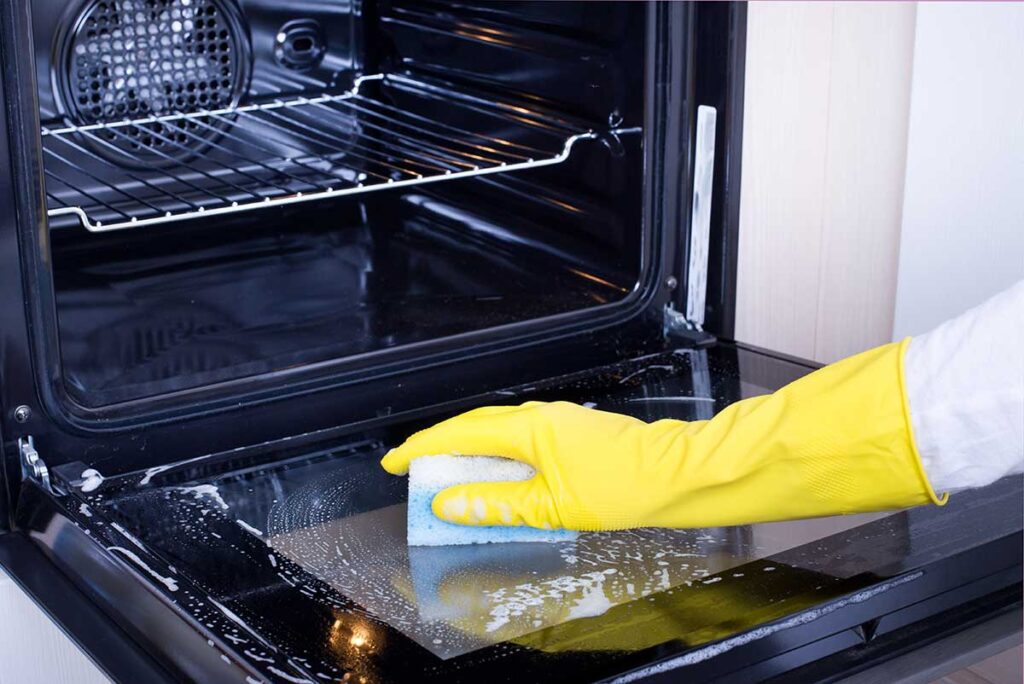
- Removing buildup from oven interiors and range hoods
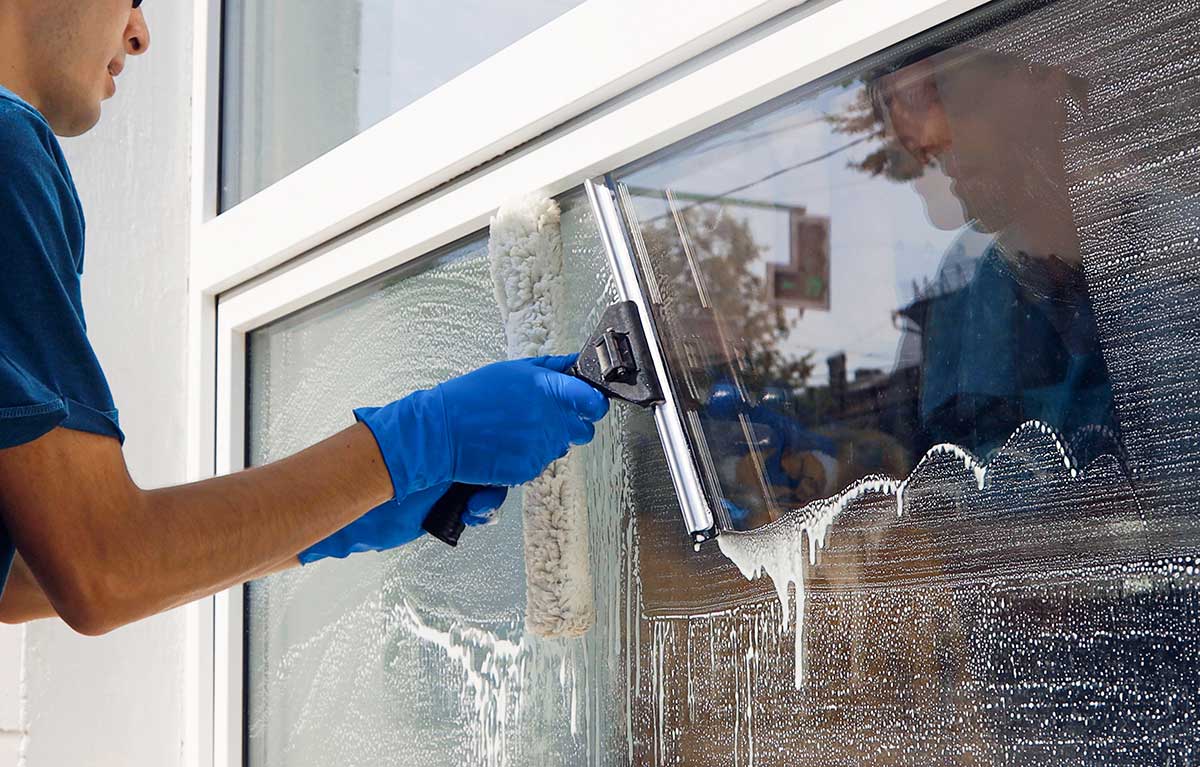
- Detailed cleaning of window tracks, blinds, and sills
Deep cleaning usually requires more time and may involve specialized supplies to address long-standing dirt, mineral deposits, or residue from winter road salts (common in the Upper Valley's colder months).
Why Might a Home in Hanover Need Deep Cleaning Instead of Just Regular Cleaning?
While regular cleaning keeps day-to-day messes under control, there are situations where deep cleaning provides significant benefits. Seasonal changes in Hanover, NH—such as pollen in spring, humidity in summer, or road salt in winter—mean more grime and allergens can accumulate indoors over time.
Deep cleaning is especially useful:
- Before or after hosting events or houseguests
- Prior to moving in or out of a home
- After a major renovation or construction project
- When transitioning from heating to air conditioning seasons (to remove dust or allergens accumulating in vents)
- If residents experience allergy flare-ups or notice stubborn odors
It can also help restore a home’s freshness after extended absences or when routine chores have been difficult to maintain.
How Often Should Each Cleaning Approach Be Used?
For most homes in the city, regular cleaning is an ongoing, weekly or biweekly effort. Deep cleaning, on the other hand, is less frequent: most households benefit from scheduling it once every few months, or at least seasonally.
Some situations may warrant more frequent attention, such as:
- Homes with pets or children, which tend to accumulate more dirt and dander
- Historic or older homes, where dust and allergens may settle more easily in original woodwork or unsealed spaces
- Residents with specific health concerns, such as asthma or severe allergies
Regular assessment of household needs based on local weather, indoor air quality, and lifestyle habits is the best way to time a thorough deep clean.
Are There Areas Commonly Missed in Each Type of Cleaning?
People often assume weekly cleaning covers enough ground, but many corners are overlooked without a deep cleaning routine. In area homes, common missed spots include:
- Window and door tracks, where pollen and debris can collect
- Under sofas or beds, which become dust magnets
- Bathroom vent fans, which can harbor mold spores in the humid months
- Baseboards and moldings, especially where salt and sand from winter boots get tracked inside
Deep cleaning addresses these neglected spots, while regular cleaning tends to focus on floors, surfaces, and visible clutter.
What Are the Practical Benefits of Deep Cleaning Beyond Appearance?
Beyond visual improvement, deep cleaning plays a role in indoor air quality, health, and even energy efficiency. In a region with long winters like Hanover, homes are sealed up for months, allowing dust and allergens to circulate. Deep cleaning can:
- Reduce the presence of allergens, pollen, and pet dander throughout the home
- Help prevent mold growth in damp or poorly ventilated spaces
- Remove built-up grime from appliances, helping them run more efficiently
- Prolong the lifespan of flooring, fixtures, and furnishings by minimizing damaging buildup
For households with newborns, elderly residents, or anyone spending extra time indoors, these benefits can be especially noticeable.
Can Residents Deep Clean Their Homes Themselves?
Many deep cleaning tasks are accessible to area residents with the right time and supplies. However, the work is more thorough and time-intensive than regular chores. Safety precautions are wise when addressing significant mold, heavy buildup, or after home repairs—particularly if cleaning chemicals or equipment are required.
It's helpful to create a checklist specific to the home’s size, age, and problem areas. For larger projects, residents sometimes break up deep cleaning tasks over several days.
Common Misconceptions About Deep and Regular Cleaning
A frequent misconception is that regular cleaning makes deep cleaning unnecessary, but routine tasks simply maintain surfaces rather than eliminate difficult grime. Another is that “spring cleaning” alone is enough—while spring is a common time to clean deeply, other seasons can present new challenges in Hanover.
Some also believe that focusing only on visible mess is sufficient; however, unseen or out-of-reach spaces often contribute most to dust, odors, and allergy symptoms.
Where Do Seasonal and Local Factors Come Into Play?
In a four-season community, the pattern of home maintenance changes with the weather. During winter, more salt and sand get tracked indoors, calling for deep cleaning as spring arrives. Humid summers may foster mildew or mold in bathrooms and basements, making thorough attention to damp-prone areas essential.
Historic homes in the region might also have unique needs, like old windows or ornate woodwork that require delicate care and occasional intensive cleaning.