
 See My Latest Article on HelloNation
Why Focus on Frequently Touched Surfaces?
Frequently touched surfaces, such as doorknobs, light switches, and countertops, accumulate germs from everyday hand contact. Cleaning and disinfecting these areas helps reduce the spread of viruses and bacteria, especially during winter months when local residents spend more time indoors. Some surfaces can harbor microorganisms for hours or even days, making regular maintenance important for community health.
What Surfaces Should Be Cleaned Most Often?
Focus on the surfaces that hands come into contact with multiple times per day. In most Hanover households, these typically include:
- Door handles and knobs
- Light switches and switch plates
- Sink and appliance handles
- Refrigerator, microwave, and oven doors
- Remote controls, game controllers
- Stair railings and banisters
- Tabletops (kitchen, dining, coffee tables)
- Faucet handles and toilet flush levers
- Keyboards, touchscreens, and computer mice
High-traffic entryways may also include mailbox handles, security keypads, and mudroom benches. In homes with children or shared spaces, consider toy bins, playroom surfaces, and shared electronics as well.
How Often Should Surfaces Be Cleaned and Disinfected?
Regular cleaning of frequently touched surfaces—daily or every other day—is recommended in most homes. Disinfection is particularly important during illness in the household, following gatherings, or during peak cold and flu seasons, which in Hanover usually coincide with late fall through early spring.
Some helpful guidelines for scheduling include:
- Daily: Kitchen and bathroom handles, faucets, light switches, remote controls
- Every 2–3 days: Railings, doorknobs, desks, electronics
- After high-risk events: When returning from travel, after visitors, or if someone is sick
For surfaces exposed to outdoor elements (such as garage doorknobs), weekly cleaning is typically sufficient unless exposure warrants more frequent attention.
What’s the Difference Between Cleaning and Disinfecting?
Cleaning removes dirt, dust, and some germs from surfaces using soap or detergent and water. Disinfecting uses chemicals to kill germs on cleaned surfaces, further reducing disease risks. For example, wiping a countertop with soapy water removes crumbs and some bacteria. Applying a disinfectant afterward kills most viruses and lingering germs.
To disinfect properly:
- First clean away visible debris
- Use an EPA-registered disinfectant known to be effective against common viruses and bacteria
- Follow instructions for contact time—the surface needs to stay visibly wet for the specified duration, often several minutes
What Products and Tools Work Best for Area Households?
For cleaning:
- Use microfiber cloths, sponges, or disposable wipes
- Mild dish soap and warm water are effective for most surfaces
- Avoid abrasive pads to prevent scratching
For disinfecting:
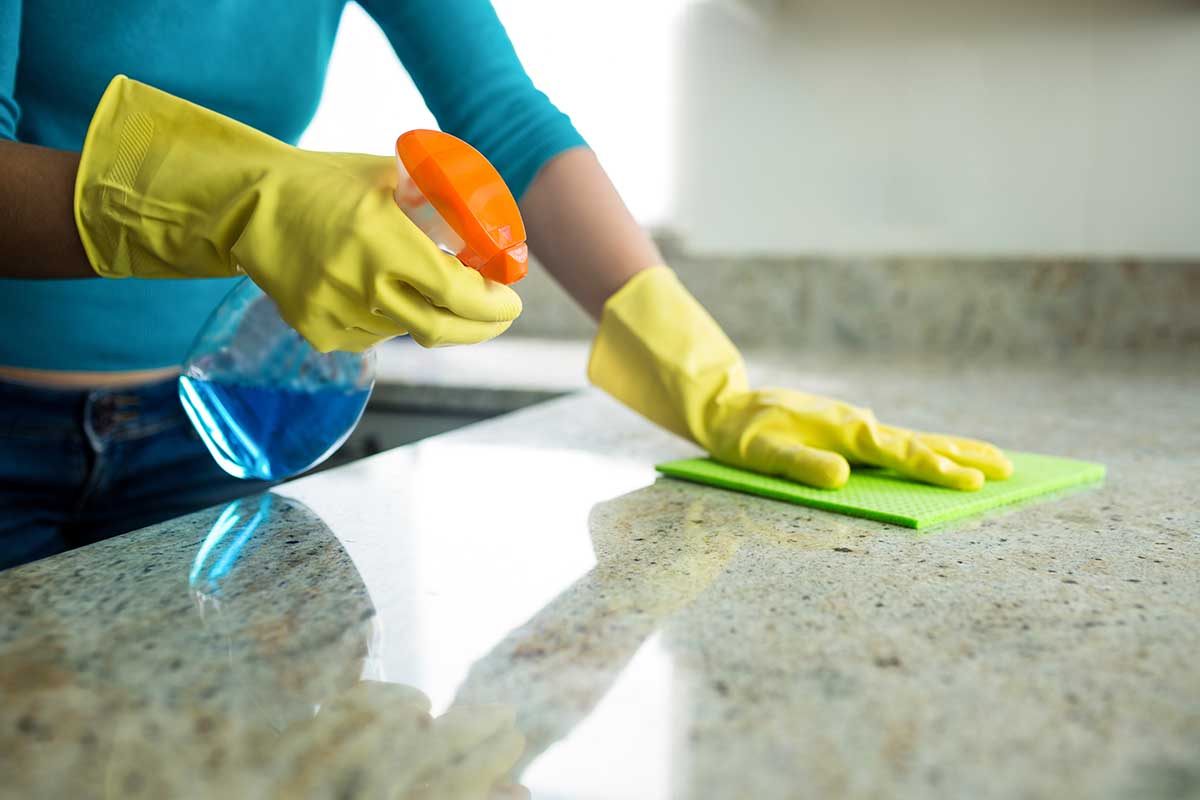
- Diluted household bleach (⅓ cup bleach per gallon of water) for non-porous surfaces
- Alcohol solutions with at least 70% isopropyl alcohol
- EPA-registered disinfectant sprays or wipes (always check label instructions)
Some surfaces—finished wood, stone countertops, and electronics—can be damaged by harsh chemicals. For these, use gentle cleaning solutions and disinfectant wipes designed for electronics.
Are There Local or Seasonal Factors to Consider?
The climate in Hanover brings concerns such as tracked-in salt, mud, or moisture during fall and spring, which can increase dirt and germ buildup on entryway surfaces. During flu and cold season, it’s especially important to increase the frequency of cleaning high-touch areas, as indoor heating keeps families inside and can help viruses linger.
Local households with wood-burning stoves or pellet heaters may notice ash or fine dust collecting more frequently, making regular surface cleaning even more important to prevent respiratory irritation.
Residences that host gatherings—such as holiday meals or college events—should do an extra round of disinfection afterward, especially in kitchens and bathrooms.
Are There Common Misconceptions or Mistakes?
Many people assume that using a disinfectant alone is enough; however, surfaces must be cleaned first to allow disinfectants to work effectively. Spraying and immediately wiping dry does not give most products enough time to kill germs—always follow the manufacturer’s guidance on duration.
Another misconception is that homemade cleaners (like vinegar) are sufficient for disinfection. While vinegar can clean some surfaces, it is not a registered disinfectant and will not kill many viruses.
It’s also easy to forget surfaces like remote controls, smartphones, or portable devices. These can be sanitized with alcohol wipes or approved electronic-safe sprays, being careful to avoid moisture in crevices.
What Steps Can Households Take to Build a Consistent Routine?
Establishing cleaning habits helps ensure frequently touched surfaces do not get overlooked. Strategies that work well for the community include:
- Setting reminders for daily or weekly wipe-downs
- Assigning children simple tasks (e.g., wiping railings before dinner)
- Keeping a supply of cleaning and disinfecting products in accessible locations like the kitchen, bathroom, and mudroom
- Posting a checklist inside a cabinet or by the door for easy family reference
During seasons with more illness, increase reminders and stock up on supplies to avoid running out.
What Steps Should Be Taken if Someone is Sick in the Home?
If a household member becomes ill, it’s helpful to designate a bathroom or set of surfaces strictly for their use, if possible. Disinfect common touch points such as sink handles, light switches, and doorknobs after each use. Wash hands frequently, use gloves when cleaning, and dispose of tissues or wipes in lined trash bins.
After recovery, complete a thorough cleaning and disinfection of bedrooms, bathrooms, and any other areas they used frequently.